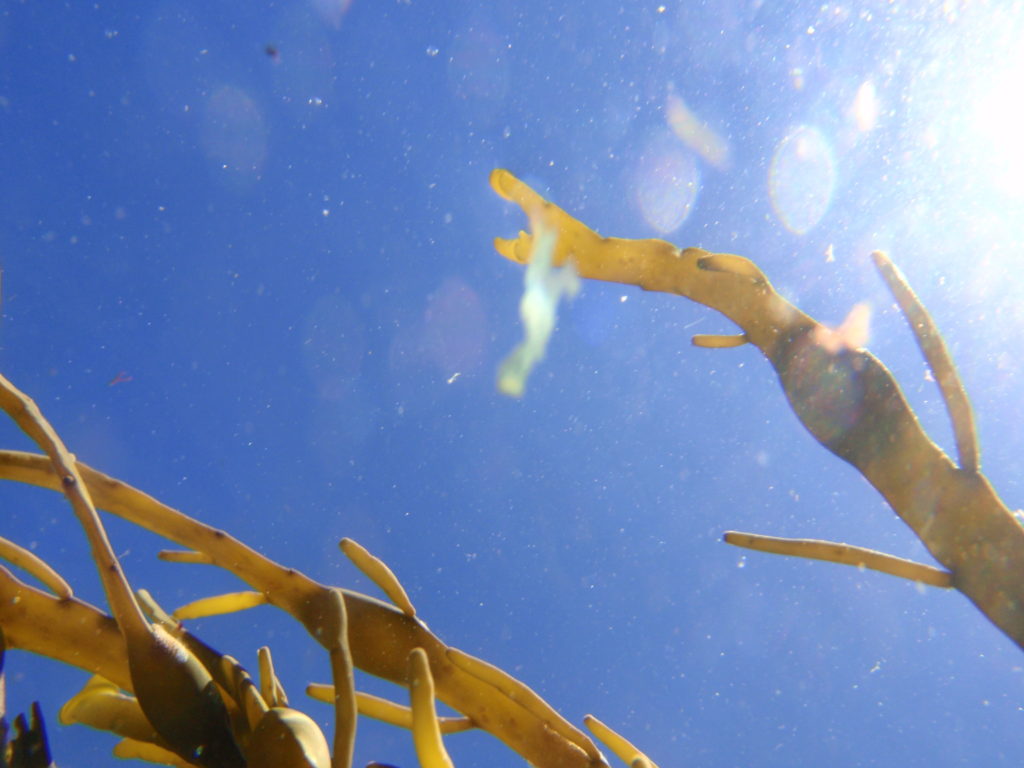
Dry feet and hand become soft and smooth. Raw, itchy skins are now cool and silky. Leathery elbows are now supple and….Flaky skin is rejuvenated once and for all. Seaweed skin winner from the natural sea.
OLYMPUS DIGITAL CAMERA
Seaweed the Natural Kick
Dry feet and hand become soft and smooth. Raw, itchy skins are now cool and silky. Leathery elbows are now supple and….Flaky skin is rejuvenated once and for all. Seaweed skin winner from the natural sea.
If you have got dry skin…. and by dry I mean severe… cracking….so dry it hurts skin – patches, scales and flakes …. and you have tried everything your pharmacy has to offer with not results. Finally, you are about to discover how you can easily transform your hard, leathery shell into soft, hydrated skin that you will actually want to show off. Seaweed is the answer.

Tång är rika på proteiner, mycket rika på vitaminer och makalöst rika på mineraler. Dessutom har tång en helt unik egenskap: de renar kroppen från giftiga tungmetaller som till exempel kvicksilver och bly. Tång binder till och med radioaktiva ämnen till sig och för dem ur kroppen.

Med viktiga ingredienser som spårämnen, vattenlösliga fibrer och antioxidanter. Du får ditt behov av mineraler- och spårämnen utan att behöva tänka på några tillskott.

Reduces excessive blood cholesterol. Improves action of the vascular system, including the heart. Stabilises the balance of salts and micro-elements. Prevents uptake of heavy metals and radioisotopes (e.g. cadmium, cobalt, lead, mercury, strontium) and also reduces the body´s levels of such substances, if already accumulated. Increases endurance and overall physical performance. Increases the shelf-life of bread baked with this ingredient.

Recent research has confirmed that marine algae (seaweed) ca be a valuable supplement to the human diet. In the unpolluted sea environment algae are able to absorb trace elements, minerals and other nutrients. Many of the same nutritents are often lacking in people´s daily diet because variation in our choice of food. In modern commerce, vegetables, fruit and meat products may have these nutrients depleted by inappropriate cultivation or handling practises. Marine algae, in addition to providing important natural fibres, can supplement deficiencies in our diet, e.g. of calcium, potassium, selenium, silicon, vitamins, (anti-oxidants), (omega-3). However, these are not the only benefits. Recent health and environmental reports have raised new concern about metals such as lead, mercury, cadmium, and even radioactive strontium, and their effects on the body. Scientists have known for a long time that alginates, which are the main component of seaweed blend, have an amazing ability to assist the elimination of harmful heavy metals from the body. Swedish clinical research has shown that the sugars contained in the algae have a beneficial effect on the diurnal glucose index curve, and also that algal extracts lower the cholesterol levels in the blood.
Recent research has shown that there are many biochemically active substances in algae which have a great pharmacological interest. Several species are used traditionally against intestinal worm infestations in humans and antibiotic effects have been shown in many common green, brown and red algae. Extracts from certain algae have been shown to inhibit viral infections such as herpes, common flue and mumps. Japanese research on mice has shown that substances from algae have an inhibiting effect on certain types on cancer. Laminaria oxallate (from Laminaria) is effective against high blood pressure. The polysacharides of algae have the ability to bind harmful metal ions. This can be used in cases of poisoning by metals or radioactive strontium.
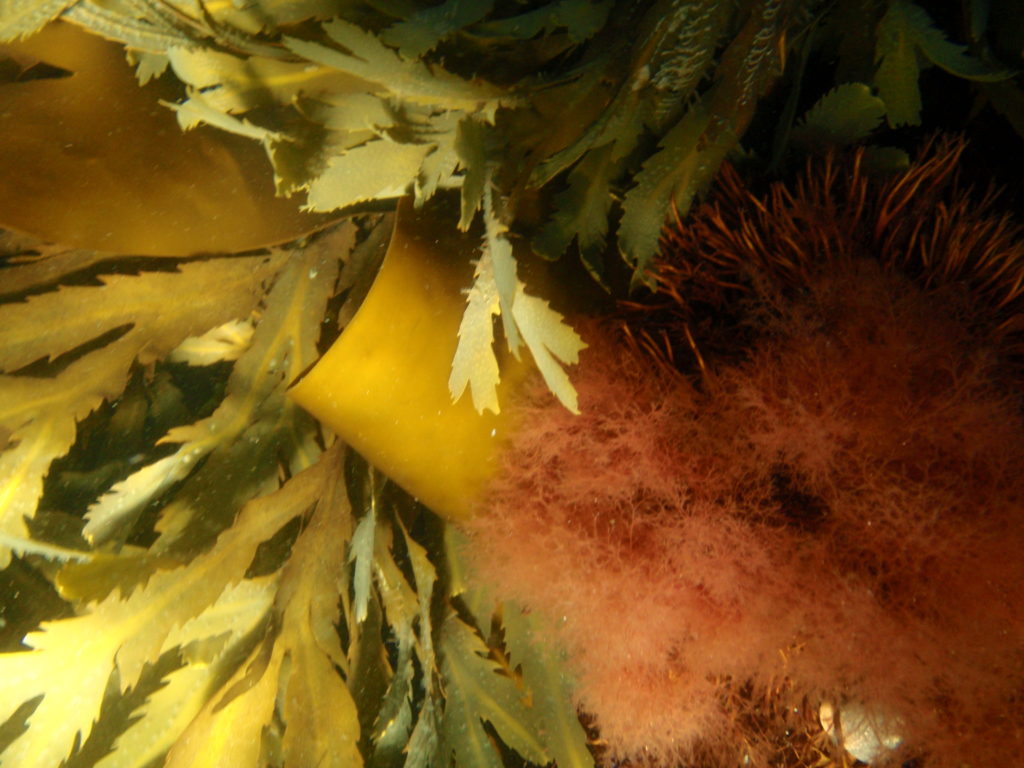
The nutritive value of algae has som interesting aspects. Generally, the protein content is high, and the uptake by humans can be enhanced by boiling, frying, roasting or deep-freezing. There are opinions that the carbohydrates can be made more available when algae are consumed for some time and there has developed an intestinal bacterial flora which helps the update. Certain green and red algae contain unsaturated fatty acids and tests on rats have shown that when added to the diet the blood cholesterol levels were lowered. Algae have a relatively low energy content but they can contribute a valuable supplement of minerals, trace elements and vitamins necessary for humans. For instance, the content of calcium in Ulva and Laminaria is 4-8 times higher than in soy beans and milk. Iron, copper, manganese, iodine selenium and zinc are trace elements that are important for humans. The content of iron in Ulva and Enteromorpha are 20-30 times higher than in beef and spinach. Algae contain all the minerals necessary human well-being and are also rich in vitamins (A, B1, B2, B6, B12, C, D, H and K). For example, Porphyra has twenty times more A-vitamin and ten times more Niacin than spinach, and has also forty times more B2 and the same level of vitamin C as tomato. Algae also are rich in B12 and folic acid.