Warning: mysqli_real_connect(): Headers and client library minor version mismatch. Headers:110407 Library:100505 in /home/swerlander/public_html/wp-includes/class-wpdb.php on line 2019 swerlander.com – Sida 74 – Seaweed the Natural Kick
Algae have been used in cooking for thousands of years, especially in the Orient. The production of nori i Japan has a commercial value of 5.000 million USD and in China about 20 million tonnes of brown algae (Laminaria) are harvested. Even in Europe, although more commonly eaten in the past there are still a variety of culinary uses of several species of algae. One of the most appreciated species is Palmare palmata which is eaten raw together with fish, potatoes, or butter or which can be boiled with water or milk to form a porridge. Recently there has been a revival of the interest in algae as food specially in the United States, where cookery books on algae food have been published. Algae have also been used as a feed supplement for domestic animals e.g. in Scandinavia. In Norway there is an industrial production of algal meal which is used as a feed additive for poultry, pigs, cows, horses and fur animals.
Algae and algal products, such as agar, carragenin furcellaran and algins, have been used by humans for various purposes from time immemorial. For instance, during the fifteenth and sixteenth centuries soda was extracted from algae for use in glass manufacture and a century ago algae were the predominant source of raw material for iodine production. Seventy-eight species of algae produce agents of the group geloses, which includes agar. Agar is now produced in United States, Australia and New Zealand and, since the fifteenth century in Japan. It is well known as a solidifying agent in bacteriological culture media, and is also used in dentistry, cosmetics and medicins (it can be used to assist slimming and as a laxative and to aid the healing of wounds). It is used in meat, fish and poultry canning and can bee seen as a thickening agent in desserts, as a clarifying agent in beer and wine production and can even function as a wire-drawing lubricant. Similarly, a substance extracted from the Irish moss, or jelly moss, was formerly used to treat diarrhoea, gastric ulcer and cystitis. It is now harvested for use of its gelatinous substance (carragenan) for curing leather, as suspending and emulsifying agent in pharmaceuticals, food products (e.g. for stabilization of foam and as a clarifying agent in beer and honey) and in cosmetics and in technical products such as shoe polish. A red alga yields the substance furcellaran which is important in jam making and another related substance is used as as a glue. Brown algae are the source of fucoidan and laminaran which have medical use, as anti-coagulant, and of mannitol which is a valuable nutrient for diabetics. These alga also yield alginic acid, the salts of which (alginates) have a widespread use. Alginates is used in e.g. textile (fibres), cosmetic, pharmaceuticals and chemical (paints, films, plastics) industries.
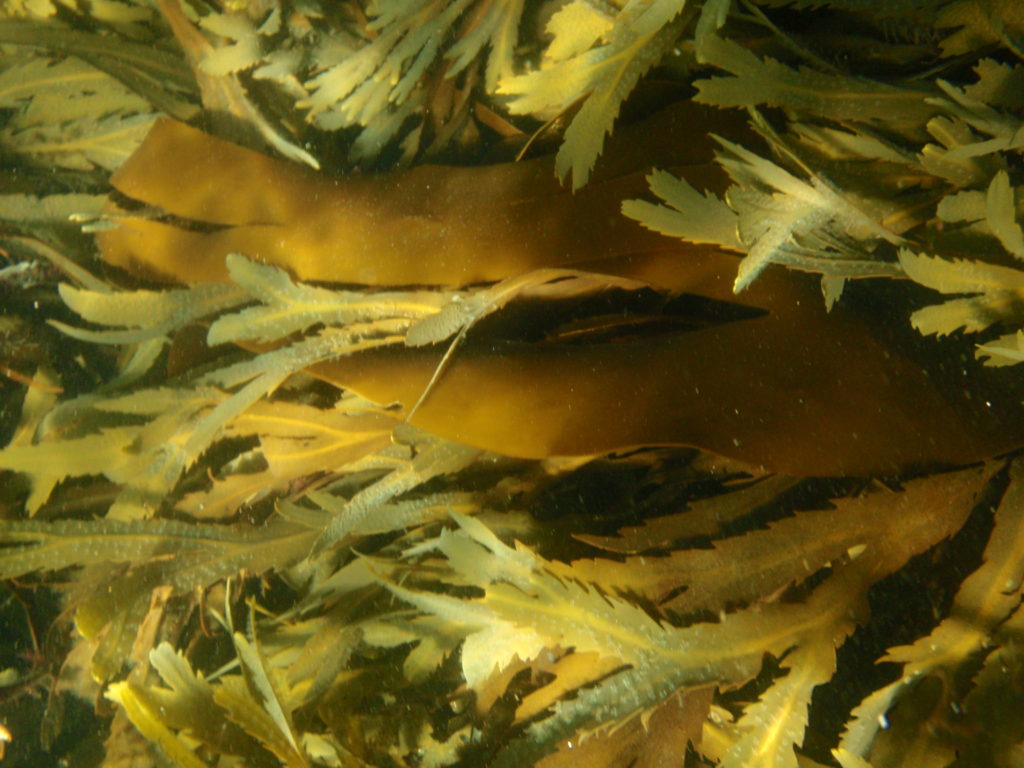
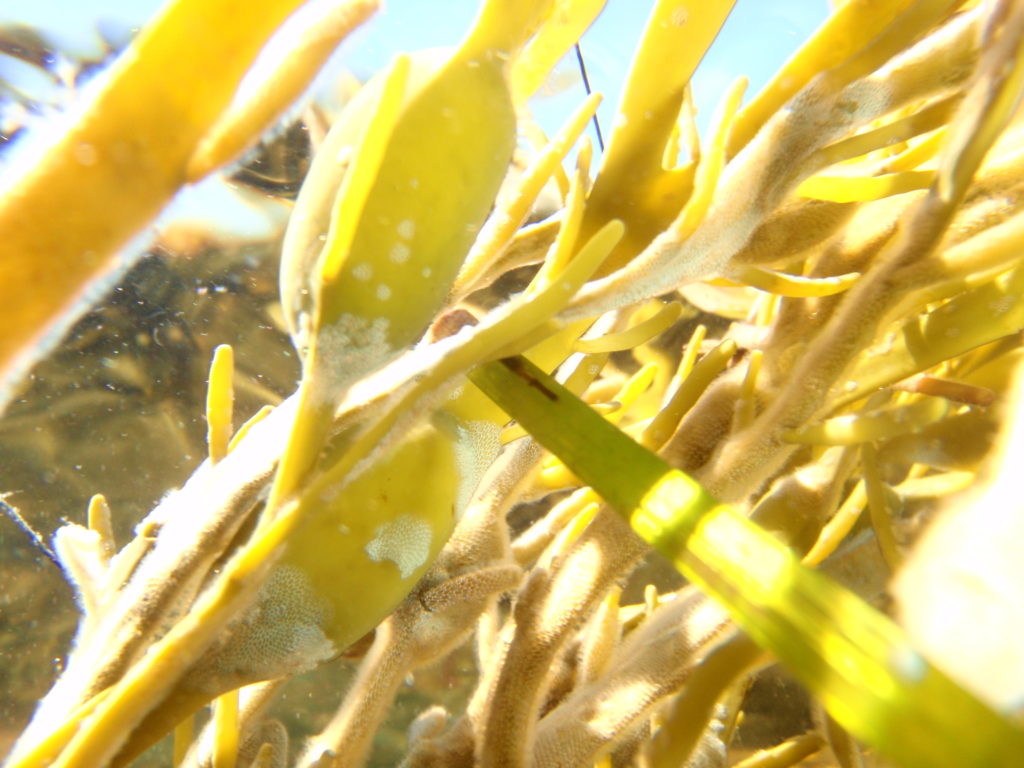
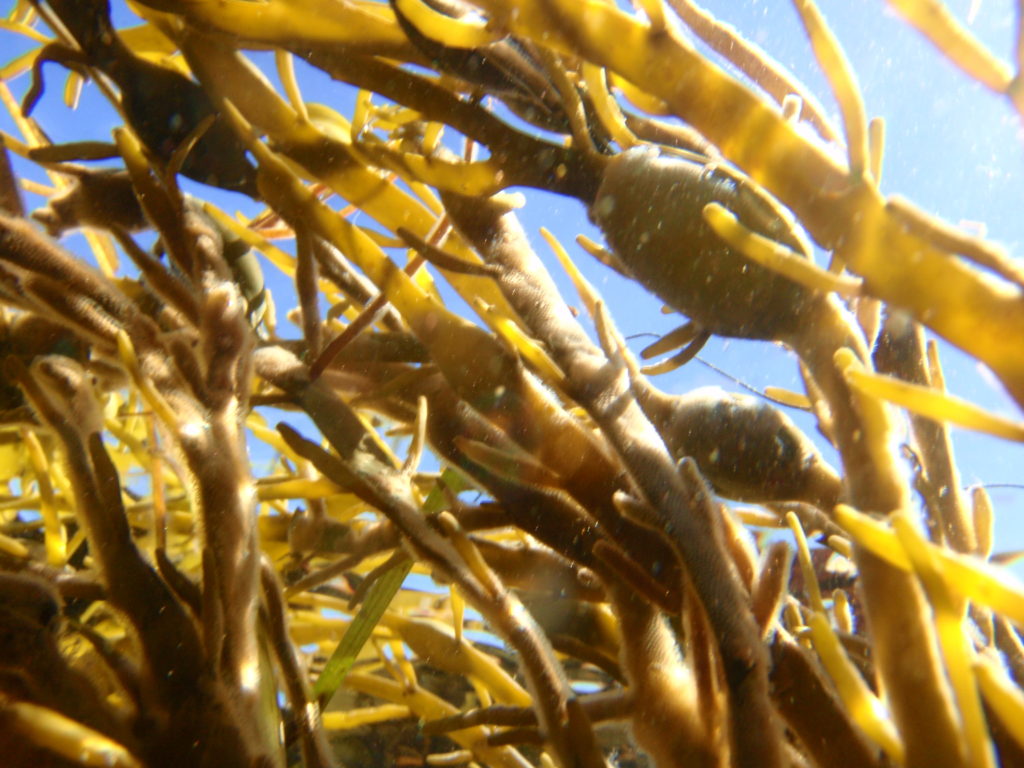
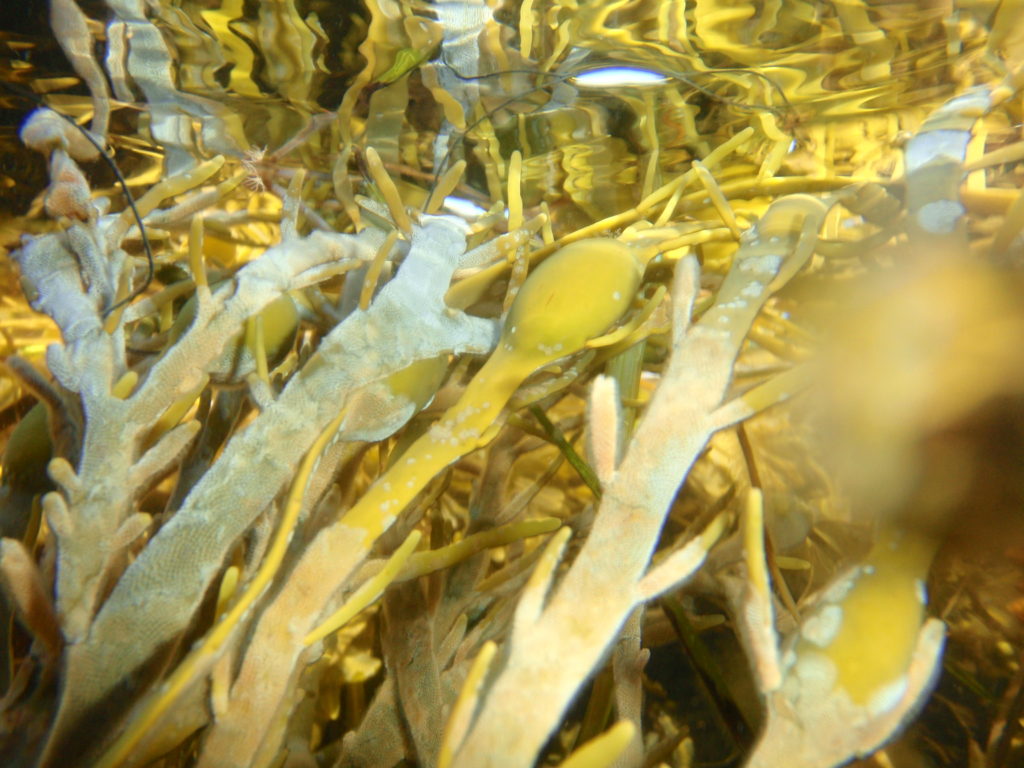
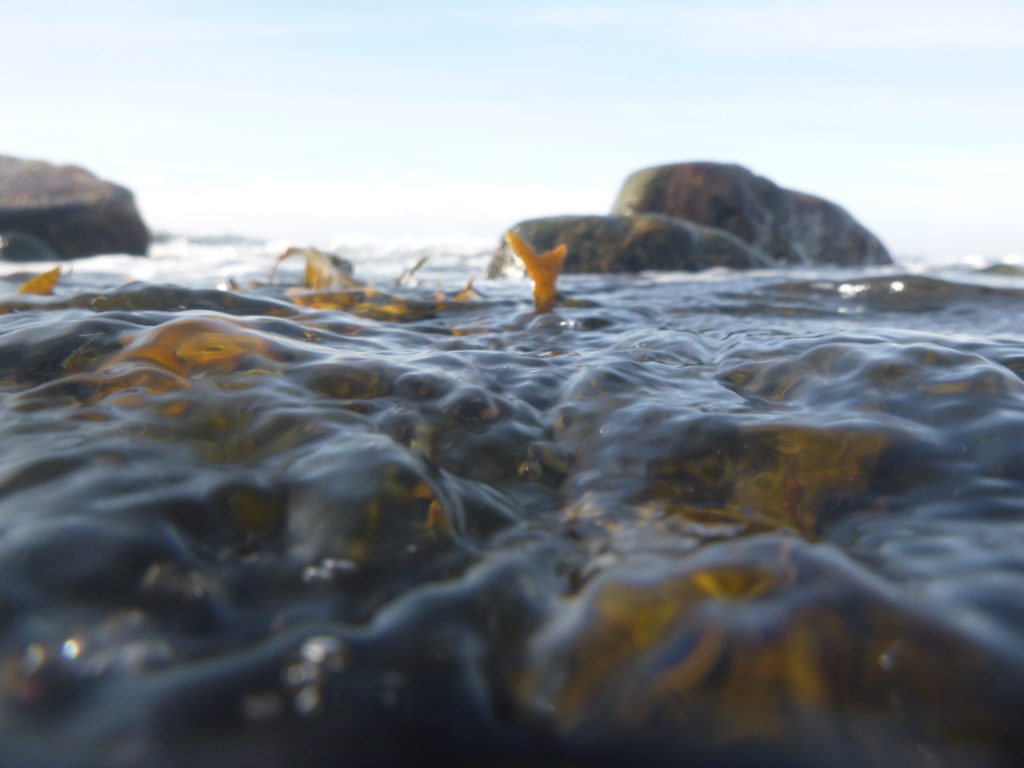
The plants found in the sea are predominantly algae. The green, brown and red algae, are so called because of the different pigments they use for photosynthesis ( and thus the wavelength range of the sunlight they use) are adapted to live at different depths with different climate. The red algae, which use the green light, can survive at the greaterst depth. The so-called benthic macroalge, as opposed to the free-floating (planctonic) ones, are fixed to rocky bottoms at shallow depths all around our coasts. They need the same nutrients as higher, terrestrial plants and have efficient mechanisms for taking up needed nutrients directly from the surrounding water and thus do not need any proper roots. In areas where the water is contaminated species may occur in mass production and contaminants can get accumulated into the plants.
While exercise programs for the face vary, the theory behind them is the same. As facial muscles are strengthened, like all muscles they become firmer, rounder and slightly larger, pulling the skin over them smoother. And since the face caves in a bit with aging, the contours look younger as well. Finally, extra muscles tissue means an increase in the size blood vessels, which creates better circulation and better skin tone.
New facelift exercises. We pump iron for our pecs and climb stairs for our glutes. But push-ups for the face? Sit-ups for the skin? Once dismissed as rejuvenating rip-offs, exercises that challange fine lines and furrows are now gaining acceptance by some of the original nay-sayers in fact, even some cosmetic surgeons are prescribing this unorthodox aging antidote.
free radicals are normally produced in all human cells, especially in skin by high energy radiation as for example the ultra-violet part of the sun radiation or other high energy, shortwave radiation. It is not yet known in detail, what effect these free radicals on the skin, but scientists suppose that the free radicals cause premature aging och different unfavourable reactions in the skin cells. Allmix is a scarvenger of free radicals. It counteracts the detrimental effect on cells of free radicals.